
The People's Cost of War
The Romance of the Three KingdomsThis flow follows the ordinary people whose suffering exposes the difference between political ambition and claims of benevolent rule.
increasing Bearing strength in each event
 decreasing
Bearing strength in each eventdecreasingA Home Abandoned
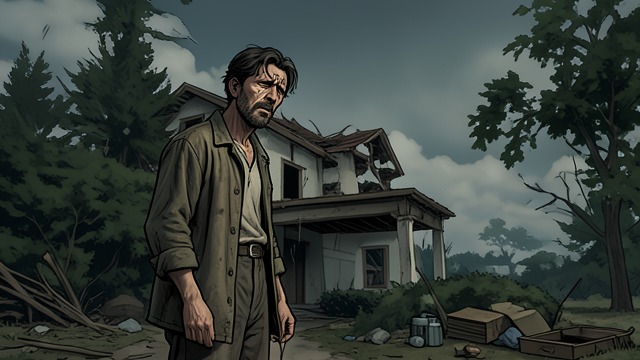
The Uncounted Victims
A Soldier Returns
The introductory poem recalls a man who returns after decades of war to find his home ruined and deserted.
A Measure of History
The image establishes a perspective largely absent from official histories: dynastic collapse is not only a contest among leaders but the destruction of ordinary lives.
Luoyang’s Destruction
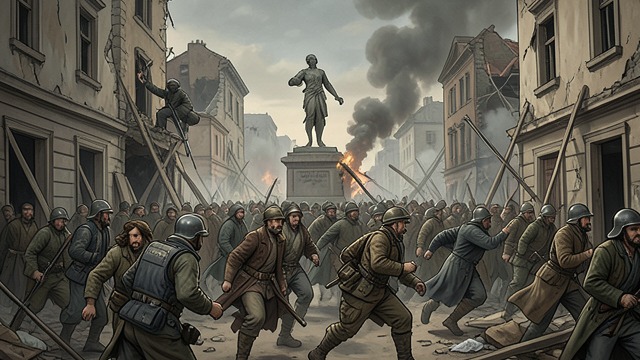
A Capital Made Disposable
Forced Migration
Dong Zhuo’s troops drive residents from Luoyang, pillage homes, and destroy the city’s buildings and tombs.
Rule Through Terror
The devastation funds the regime and protects its retreat, but it destroys the practical foundations of imperial life and leaves common people exposed to famine and violence.
The Massacre at Xuzhou
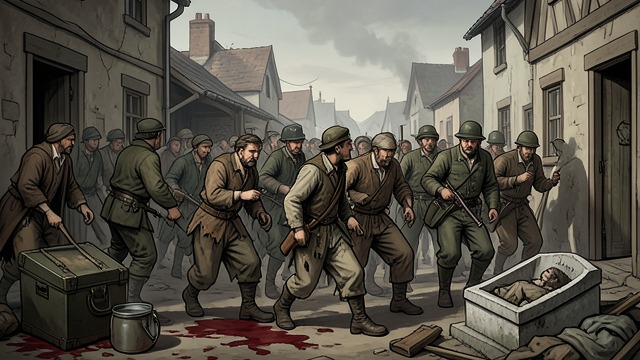
Revenge Falls on Civilians
A False Accusation
Cao Cao blames Tao Qian for the deaths of his family, although the massacre was committed by Zhang Kai’s men.
Collective Punishment
Cao Cao orders killings and allows his troops to loot graves and homes. Personal grief becomes a campaign against people who had no role in the crime.
Xuande’s Civilian Exodus
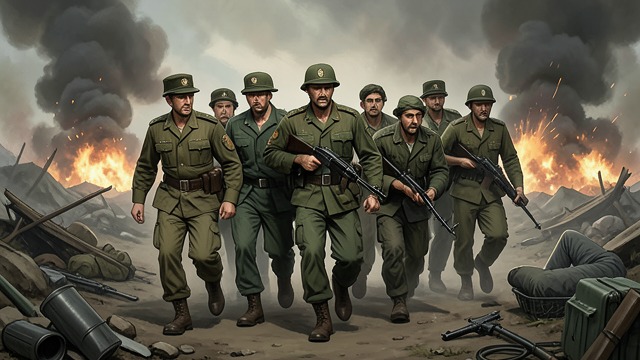
Protection at Military Cost
A Mass Departure
Xuande organizes the movement of civilians with his army rather than leave them behind. Their numbers slow the retreat and make them vulnerable to attack.
A Public Ethical Choice
He accepts responsibility for their suffering instead of treating them as disposable. The choice earns loyalty and establishes compassion as part of his political legitimacy.
After the Fall of Shu
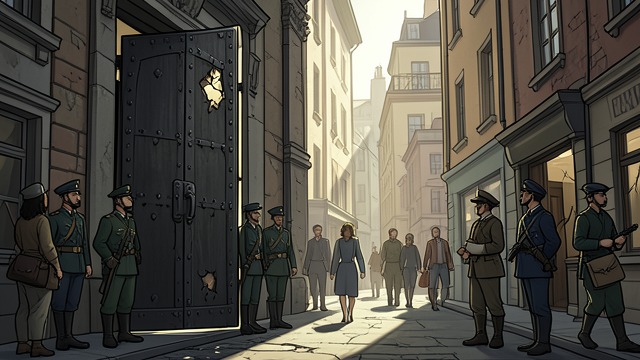
Surrender and Relief
A Change of Rulers
When Liu Shan surrenders, Deng Ai orders his forces to avoid harming the residents of Chengdu. The conquest ends without a major assault on the capital.
Relief for the People
Jin later opens grain stores after conquering Wu. These gestures contrast the human cost of decades of war with the political claims made by conquerors.
At the opening of the narrative
During Dong Zhuo’s retreat to Chang’an
After Cao Cao’s family is killed
During the retreat from Xinye and Fan
AD 263
